Abbaye de Sénanque
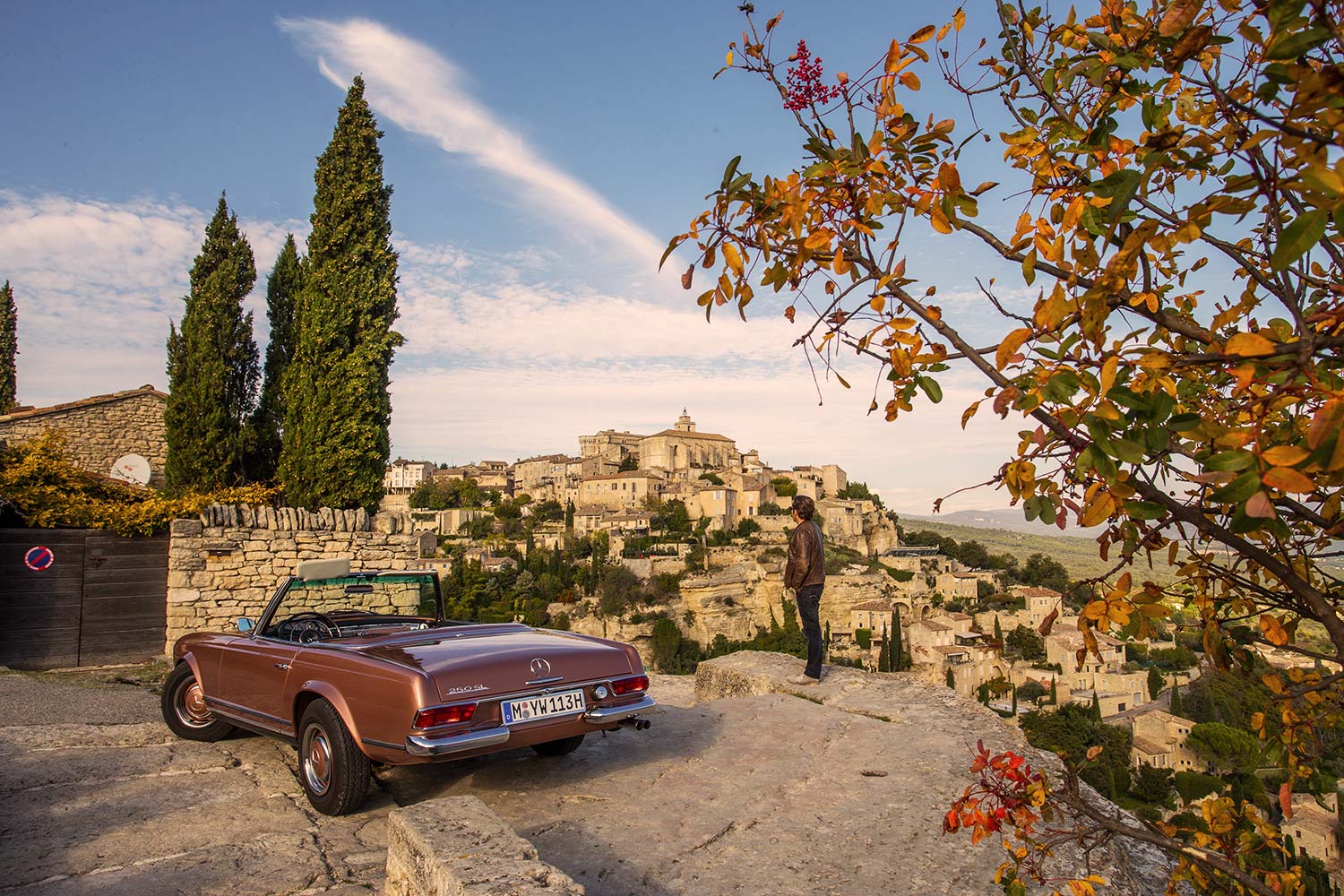
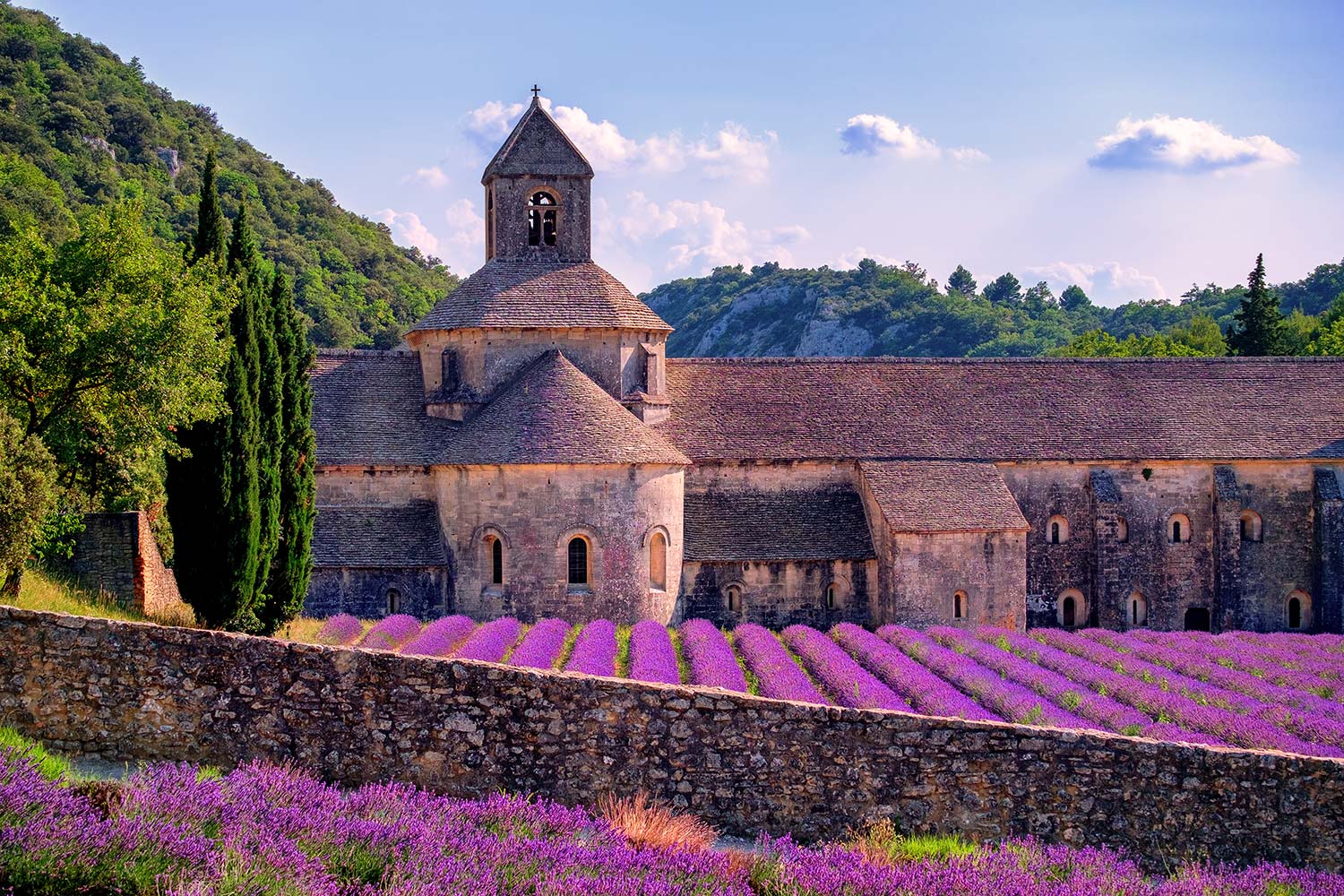
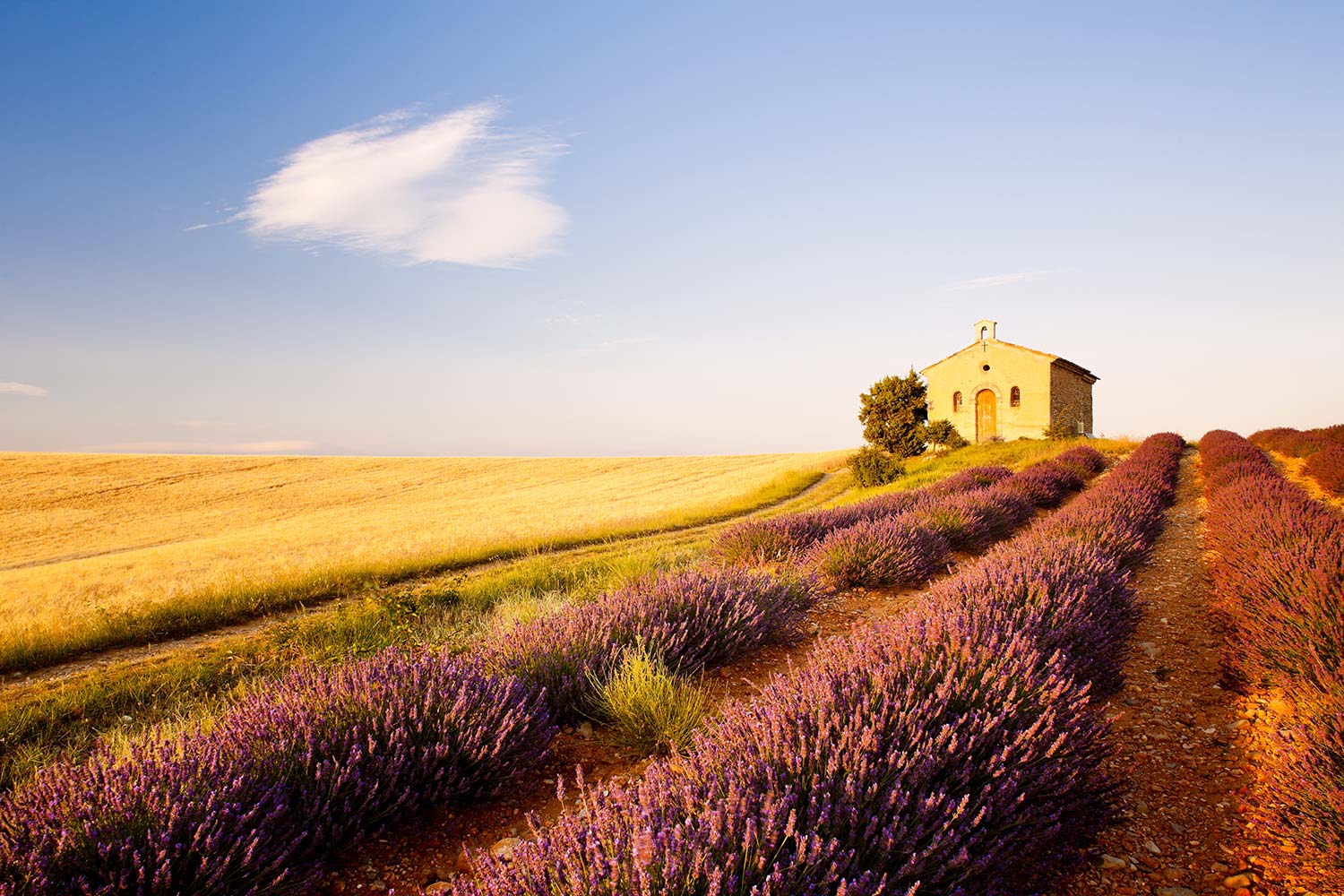
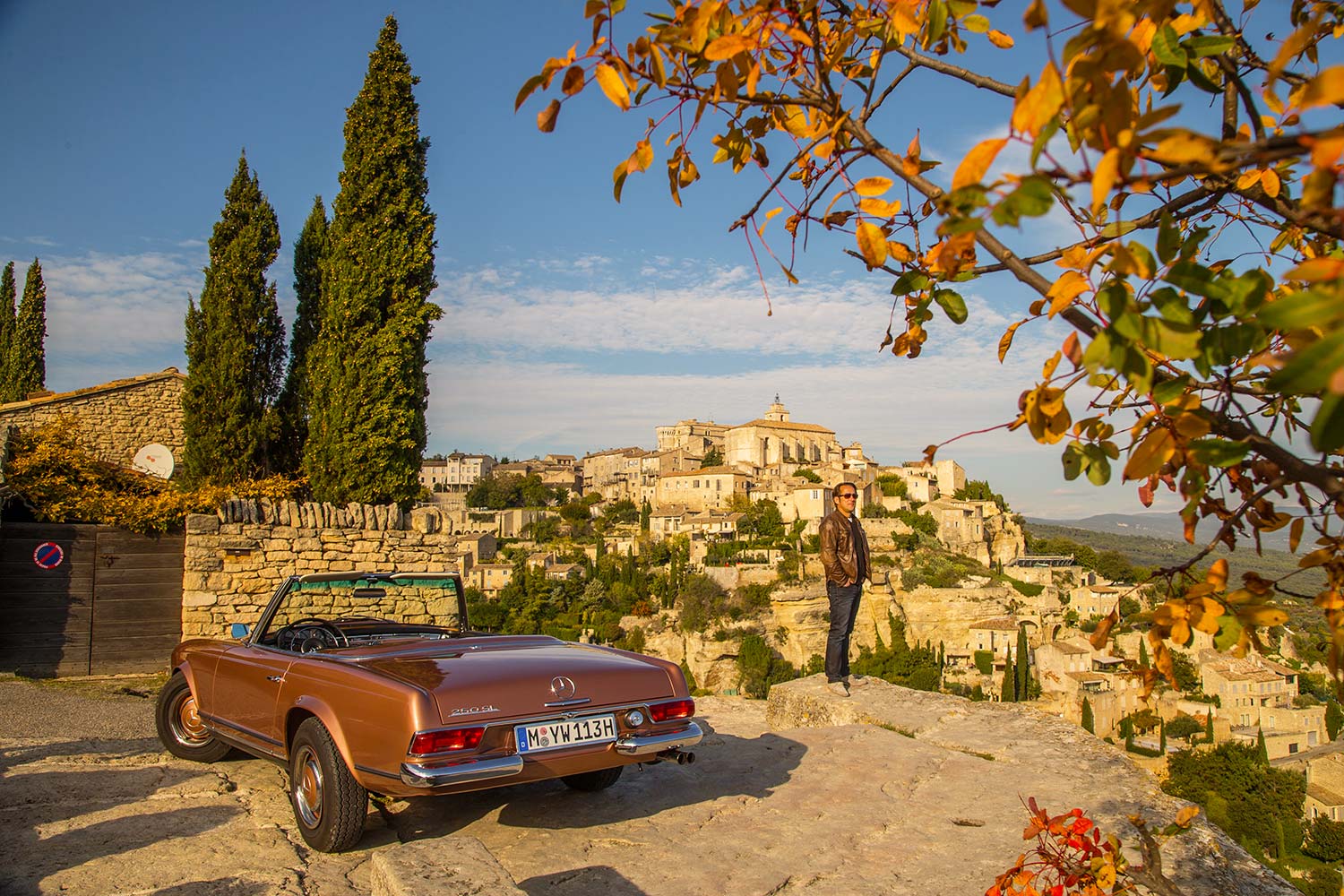
Notre-Dame de Sénanque is a monastery of the Cistercian Order in the territory of the commune of Gordes in the Vaucluse department. The ascetic rigor typical of Cistercians is evident not only in their monastic rules, but also in their architecture. The simple Sénanque monastery from 1148 corresponds to this ideal. On a tour of the abbey, the dormitory, the cloister, the abbey church and Chapter House can be visited with its impressive acoustics. In the eventful history of the monastery there have always been times of secularization in which there was no monastic life. Today monks live again in Sénanque, which is a dependent priory of the Cistercian abbey of Lerins, on the island of the same name off Cannes.
Arles
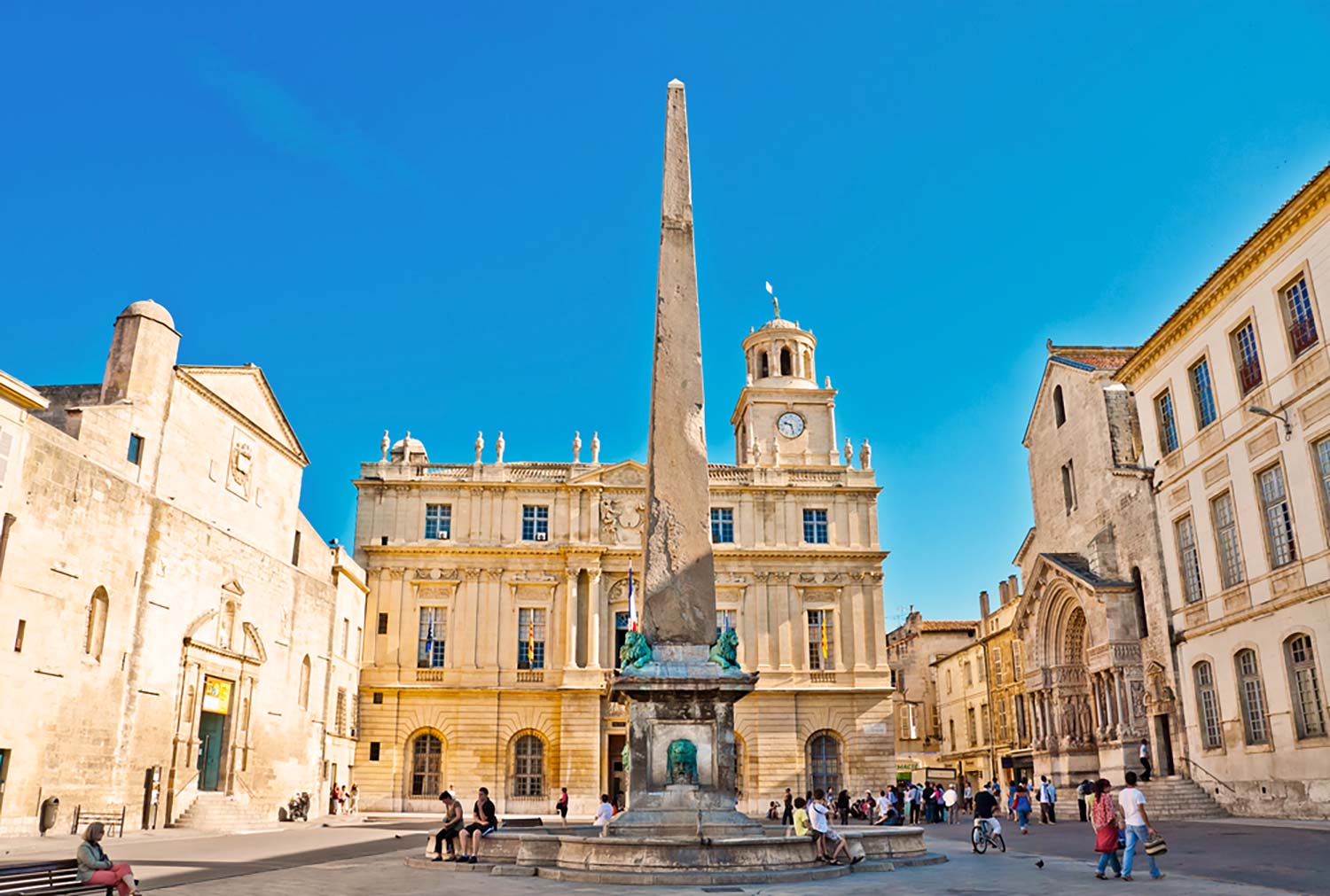
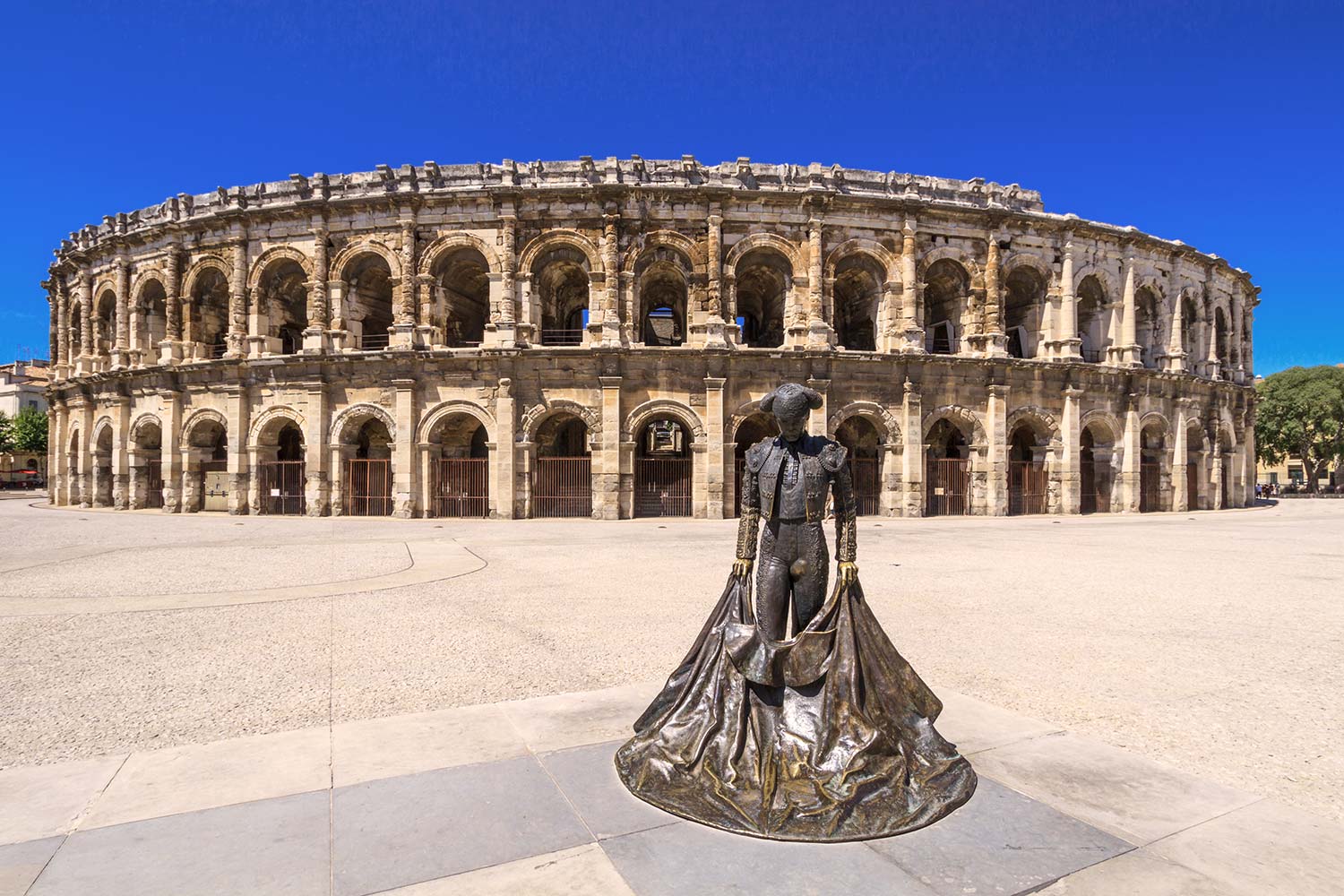
None other than Gaius Julius Caesar was born in 46 B.C. and today we walk along those steps. A Roman military colony on the Rhône where there was previously a Celtic settlement. As a trading center, Arles competed with the nearby Massilia (Marseille), here the Via Aurelia, which ran from Rome to Gaul, crossed with the Via Agrippa, which ran north towards Lyon and on to Trier. In 402, the highest authority in the western Roman Empire was relocated from Trier to Arles. Accordingly, a large number of historical sites can still be found here today; evidence from Roman times. Most famous is the amphitheater, the arena, which is still used for bullfights on certain festive days. Also the Granite obelisk in the Place de la Republique, the Necropolis of Les Alyscamps, remains of the Roman forum and the ancient theater from the time of Emperor Augustus.
Avignon
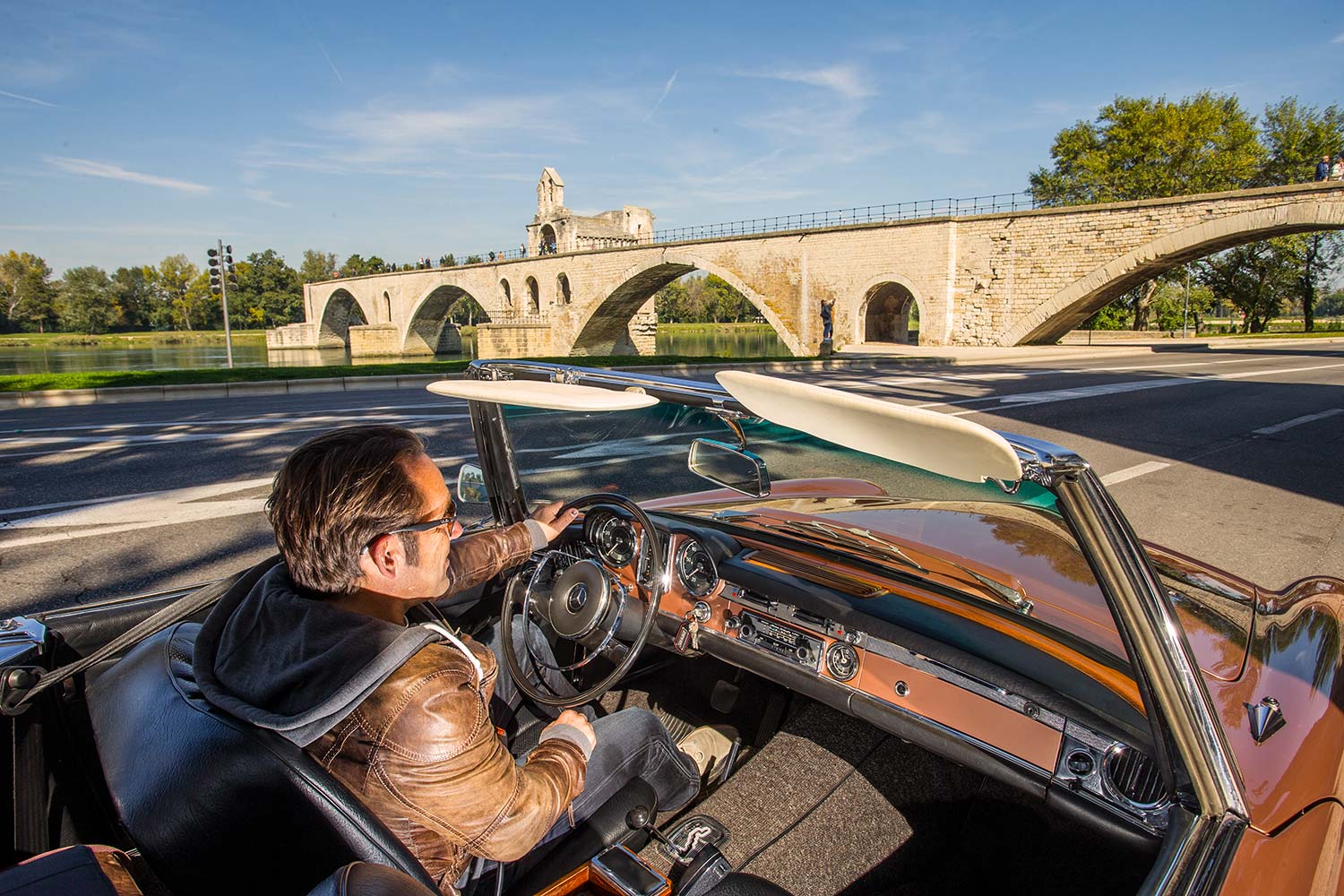
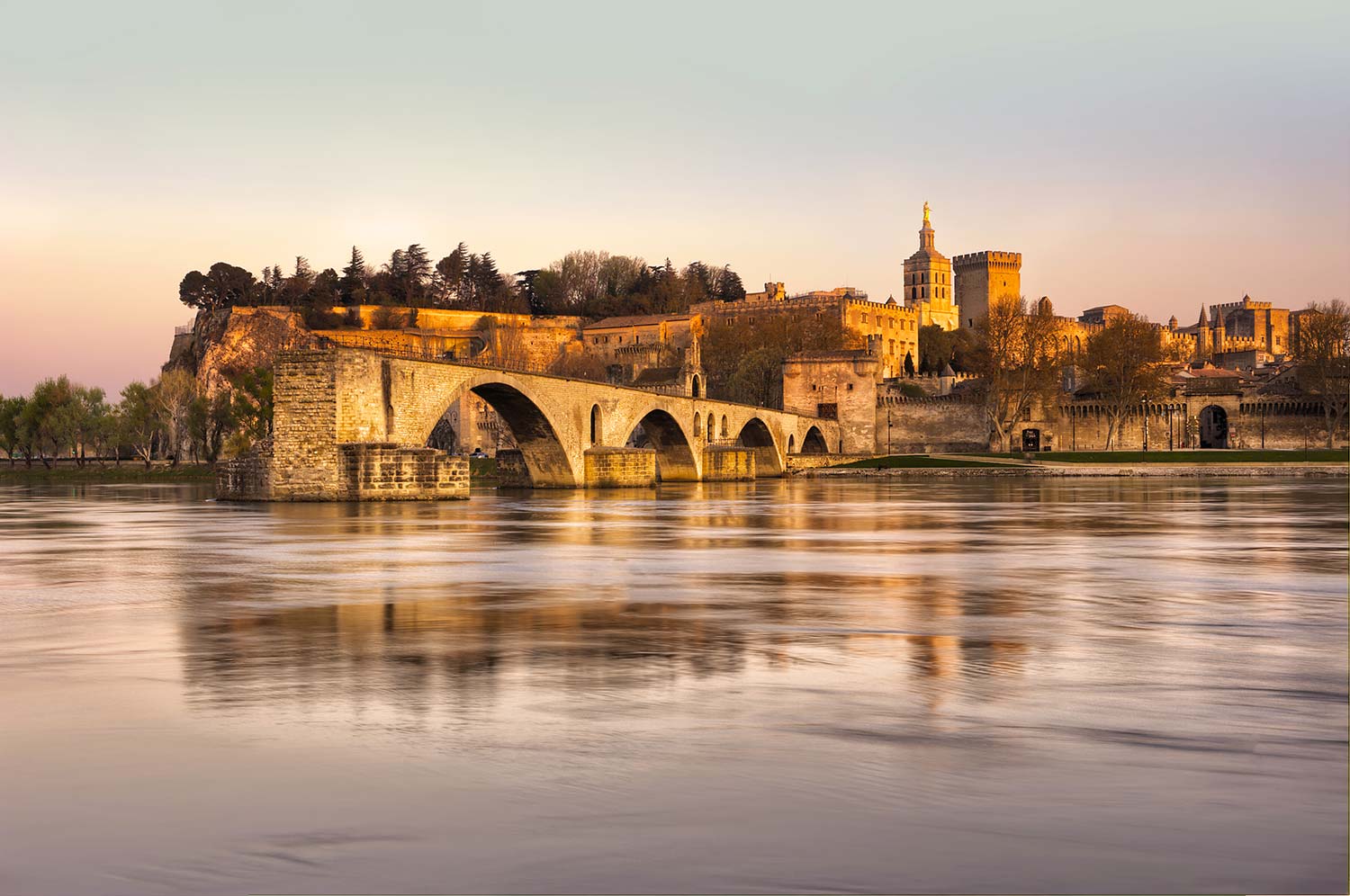
The most famous city of Provence will be the City of the Popes. The old town with the Gothic papal palace, the bishop’s complex, the still completely preserved curtain wall with the defense towers, the stately houses in the old town: all of this is worth a visit to Mireille Mathieu’s birthplace, which is also known for the festival that was launched in 1947 from Avignon.
Camargue
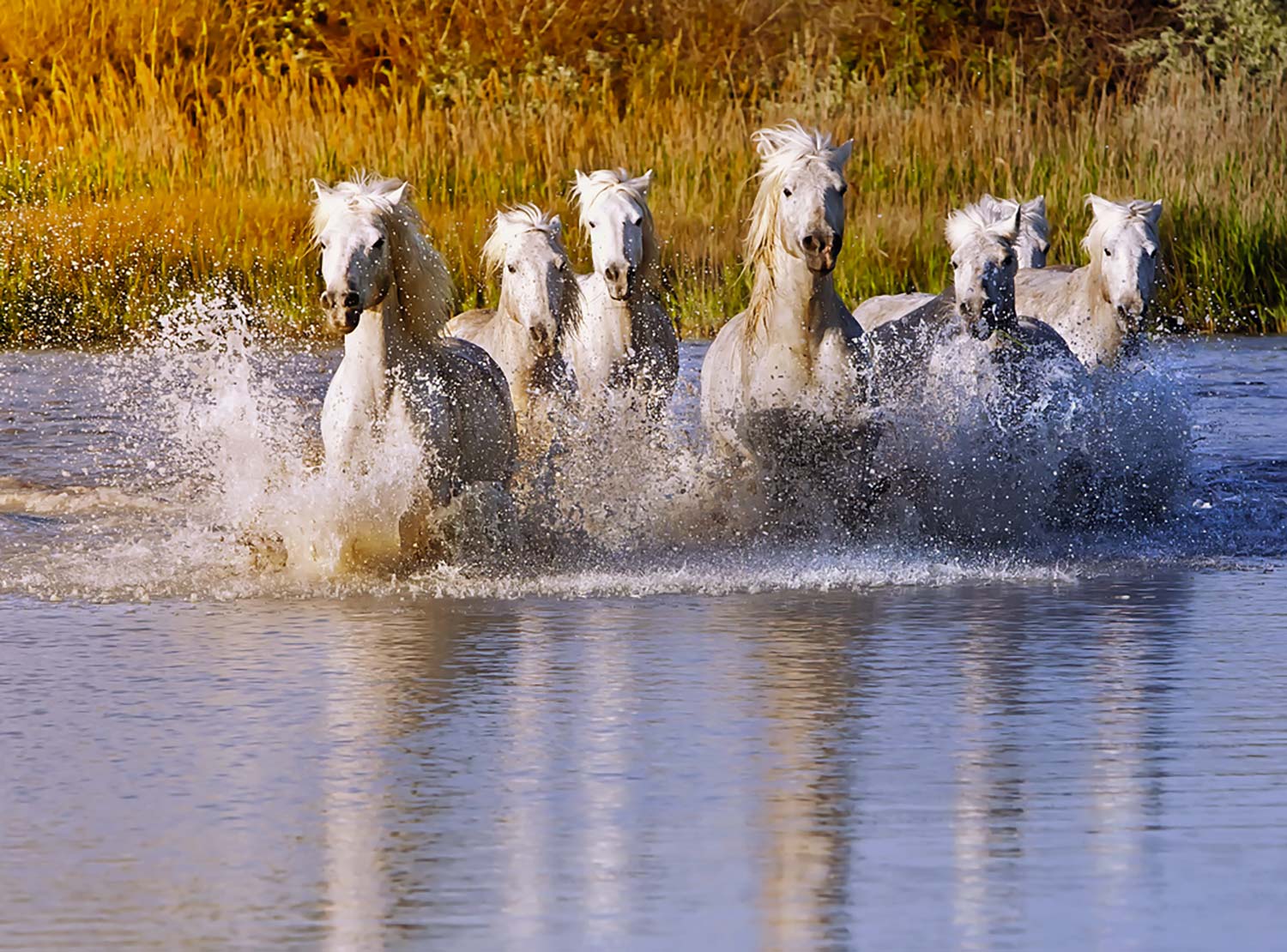
The predominantly agricultural alluvial land between the two arms of the mouth of the Rhône is almost half the size of the Saarland. The area, which is largely under nature protection, is known for the white horses of the same name. The “Winnetou” actor Pierre Brice dedicated a film documentary to them. the Camargue horses are among the last remaining wild horses. Camargue horses, for example, are the only horse breed that can graze underwater by temporarily suppressing breathing – a survival advantage in the Camargue marshland. Due to bull breeding in the Camargue, tamed Camargue horses, ridden by Provencal guardians, contribute to a certain cowboy romance in southern France.
Provencal cuisine
Typical are aromatic herbs, tomatoes, sweet peppers, aubergines and the generous use of garlic and olive oil. One of the typical dishes not to be missed is the bouillabaisse, which is eaten with spicy garlic mayonnaise; Soup de Poisson; Daube Provençale (a stew with beef goulash) and aioli. The best way to indulge in an affinity for sweets is to enjoy white nougat from Montélimar, candied fruit from Apt or Calisson d’Aix (an almond confectionery with candied melons and oranges). Le Fougassette is an orange flavored yeast cake.
Saint-Rémy-de-Provence
This small town is located on the “Alpilles” mountain range near Les-Baux-de-Provence, Maussane-les-Alpilles and Arles, 25 km away, to which it belongs administratively. A Celtic settlement stood here as early as the 4th century. Became Roman and was called Glanum. The well-preserved triumphal arch from the time of Emperor Augustus and the mausoleum are among the best-preserved relics from Roman times in Gaul. Although nothing reminds of him in Saint-Remy, the famous astrologer Nostradamus is said to have been born here in 1503. The place is better known through the stay of Vincent van Gogh in the nearby psychiatric facility of the monastery of St. Paul le Mausole, during which one of his more famous paintings was made, the “Starry Night”.